Home Services Audit Scorecard Results Tools About Book a Call
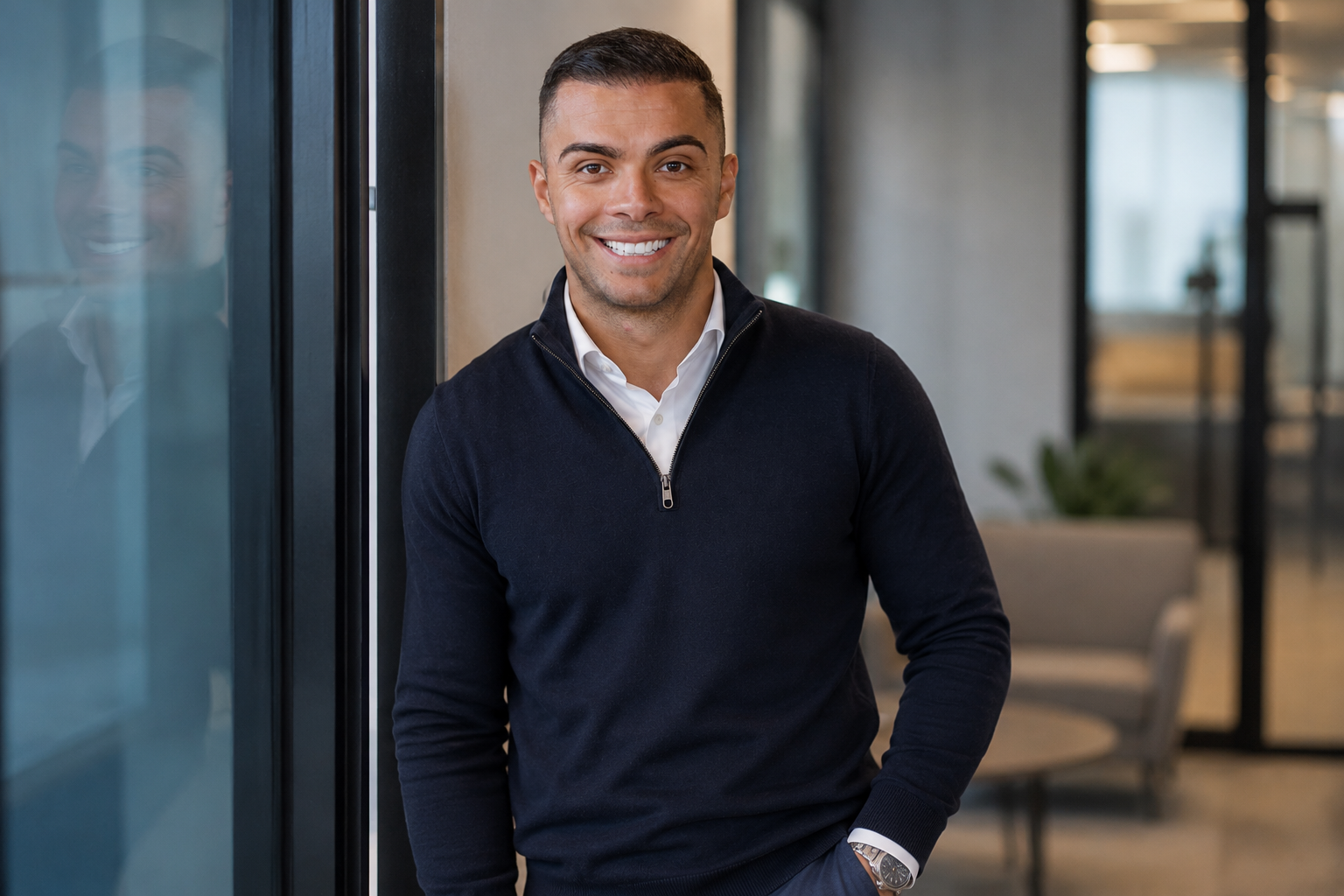
Founder · Sam

15 years on the inside. Not watching from a meeting room.

PainKiller wasn't built by a consultant who's read about logistics. It was built by someone who ran an Aldi regional distribution centre through Covid — delivering to 110 supermarkets, 16 hours a day, while the country was at standstill. Then led project work across 14 Lidl regional distribution centres. Then built this, to apply that learning to the problems other operators don't see.

Sam, founder of PainKiller Consulting
Sam Mustatea
Founder · PainKiller Consulting

Operations experience across

Aldi Lidl British Airways WHSmith ZF Automotive Hayman's Kimia
The career, in two stories

There are warehouse consultants. And then there are people who have actually run them.

Most operations consultancy is delivered by people whose hardest day was a delayed slide deck. PainKiller is built on a different premise. Below are two career anchors that shaped how Sam now looks at every operation he walks into.

Project work · Lidl · 14 regional distribution centres

Led project work across 14 Lidl RDCs. Most consultants haven't set foot in even one.

Working across 14 regional distribution centres at scale is rare. It means seeing the same problem manifest in 14 slightly different ways — and learning what causes the variation. It teaches you to look past local explanations to find the structural ones.

It's the kind of cross-site exposure that turns generic warehouse advice into pattern recognition. When Sam walks into an audit today, the diagnostic isn't theoretical — it's based on having seen what works and what doesn't, across multiple operations of comparable scale, run by competent people.

Role: Operations project leadership · Scale: 14 regional distribution centres · Function: Cross-site improvement projects

The Background

Sam has spent 15 years inside warehouse operations — not as an external consultant observing from a distance, but as the person responsible for the numbers. Pick rates, labour efficiency, goods-in throughput, overtime costs. The metrics that either make a site profitable or quietly drain it.

The career has run through some of the most operationally demanding environments in the UK. Aldi. Lidl. British Airways ground operations. WHSmith distribution. Then manufacturing, FMCG, and specialist 3PL alongside. Different sectors, different cultures, different scales — and the same patterns showing up everywhere.

The pattern Sam kept seeing was this: operations struggling with problems that had been attributed to the wrong cause. A labour problem that was actually a slotting problem. An overtime problem that was actually a handover problem. A throughput problem that was actually a dock scheduling problem. The diagnosis was wrong, so the solution was wrong, so the problem came back.

Most of the time, the cause is only visible from the floor — not from a dashboard, not from a process map, not from a SteerCo. The people on the floor know. They've often been saying so for months. They just haven't been asked the right questions by anyone with the standing to act on the answers.

PainKiller was built on that observation. An outside perspective, applied at floor level, by people who've actually run operations like yours. If we can't find savings greater than the audit fee, you don't pay for it. That's not marketing — it's the only way to make the offer honest.

The PainKiller team

A small core team. Operations, customer success, and specialist insight — working as one.

Most warehouse consultancies are run by operators who don't think commercially, or by commercial people who don't understand operations. PainKiller is built deliberately on both — because the problems clients pay to fix don't sit cleanly in one box. Every engagement draws on three integrated capabilities, working together as one team.

01
Operations

15 years inside the operations we now consult on

Sam leads every audit, Rapid-Resolve session, and transformation engagement personally. 15 years inside retail distribution, aviation, manufacturing, FMCG, and specialist 3PL. No junior associates running the diagnostics, no outsourced report writers — senior practitioner, every engagement.

02
Customer success

Award-winning customer-success leadership, on every engagement

Our customer-success lead — a Principal Customer Success Manager with award-winning experience at a major London-based technology company — works alongside Sam on every engagement. The result: recommendations that don't just fix the operation, but actually land with the people paying for it — the board, the procurement team, the operations directors signing off the work.

03
Specialist insight

Senior operations specialists, integrated into every engagement

A small, hand-picked group of senior operations specialists work alongside Sam on every audit and transformation programme. They contribute deeper technical analysis — slotting algorithms, WMS configuration, advanced data work — and their insights are part of every report we produce. Selected for their judgement, not their CV.

How we work

Three principles that don't change from job to job.

01
The floor is the only source of truth.

Data tells you what is happening. The floor tells you why. Every audit involves time spent observing the operation as it actually runs — not as it appears in the system, and not as managers describe it in a meeting room. Staff interviews are included in every audit for the same reason: the people doing the work know where the problems are. They've often been saying so for months.

02
The report is the start, not the end.

A findings report that sits in a shared drive is worthless. Every report is written to be actionable — prioritised by impact, explained clearly enough to hand to a team leader, and followed up with a debrief call to make sure nothing is unclear. The goal is a set of changes that actually get implemented, not a document that ticks a box.

03
If we can't find savings, we don't invoice for them.

The zero-risk guarantee isn't marketing. It's the only way to make the offer honest. If an operation's problems don't yield savings greater than the audit fee — which is rare, but possible — it would be wrong to charge for it. The guarantee reflects a genuine belief that the work will find value, not a legal escape clause buried in terms.

Independence

No vendor relationships. No referral fees. No product quotas.

PainKiller doesn't resell software, earn commissions on recommendations, or have preferred supplier relationships of any kind. This matters because the recommendations in every report need to be based solely on what the operation actually needs.

If the right answer involves technology, the report will say so — and it will specify the category of solution required, not a named vendor. If the right answer involves no external cost at all, the report will say that too, even when it means the only next step is internal.

  • No software vendor relationships
  • No equipment supplier agreements
  • No referral commissions of any kind
  • No retainer agreements with logistics providers
  • Recommendations based solely on operational need
  • If the fix is internal, the report says so clearly

Work together

Start with a conversation. 20 minutes. No deck.

Book a free 20-minute diagnostic call. Tell us about your operation and what isn't working. We'll tell you honestly whether the audit makes sense — and if it doesn't, we'll say so and recommend whichever of the other services is the right fit. Or none, if that's the honest answer.